

Comprehensive, Coordinated Skin Cancer Care
From your first skin check through to treatment, surgery, specialist care, and follow-up, we provide thoughtful, coordinated care with clear communication every step of the way.
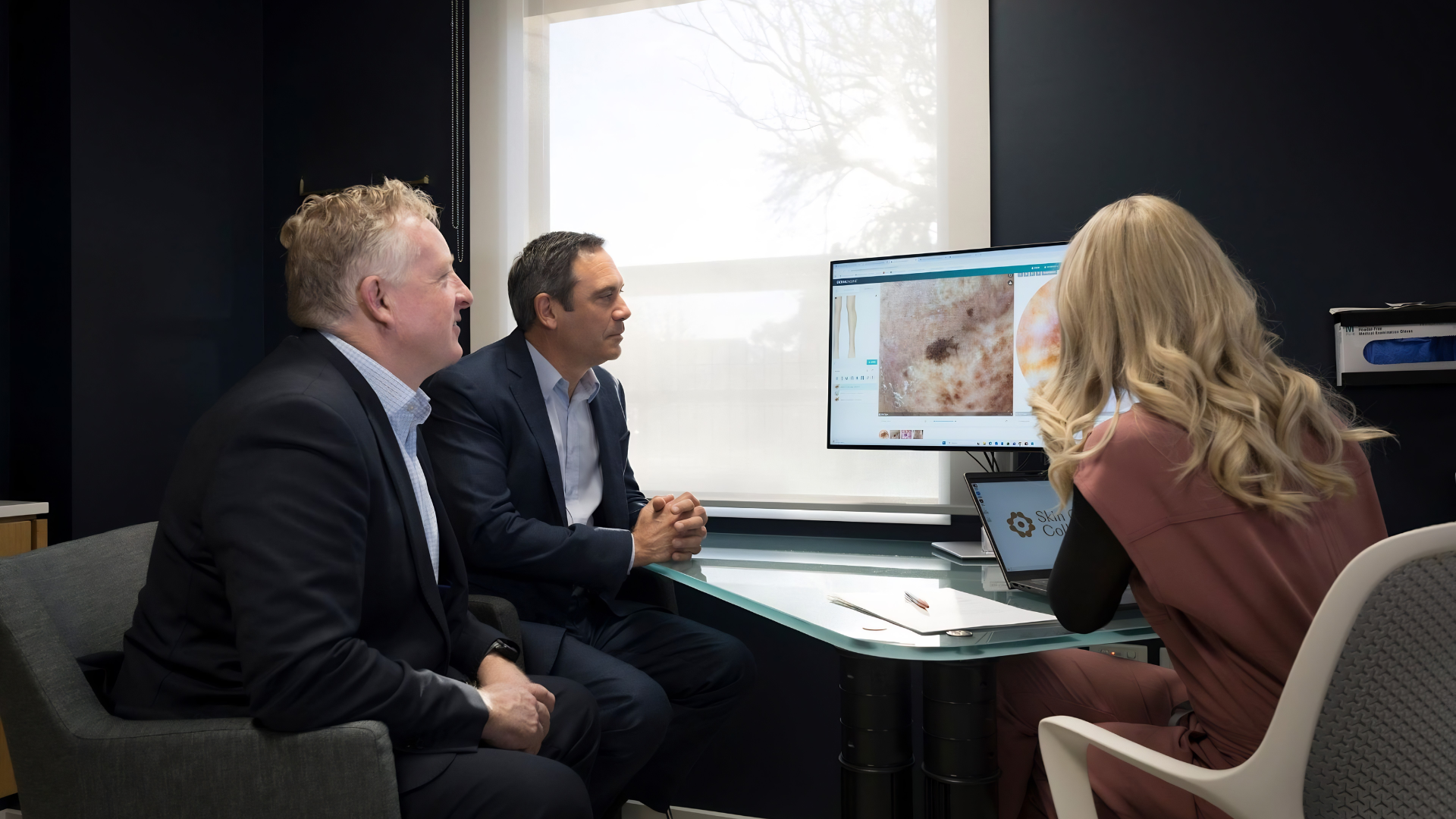
About Skin Cancer Collective
At Skin Cancer Collective, we focus on the early detection, treatment, and ongoing care of skin cancer, with expertise in complex and higher-risk cases.
We know skin checks and skin cancer concerns can feel stressful and daunting. Our team provides thoughtful, respectful care in a calm and private environment.
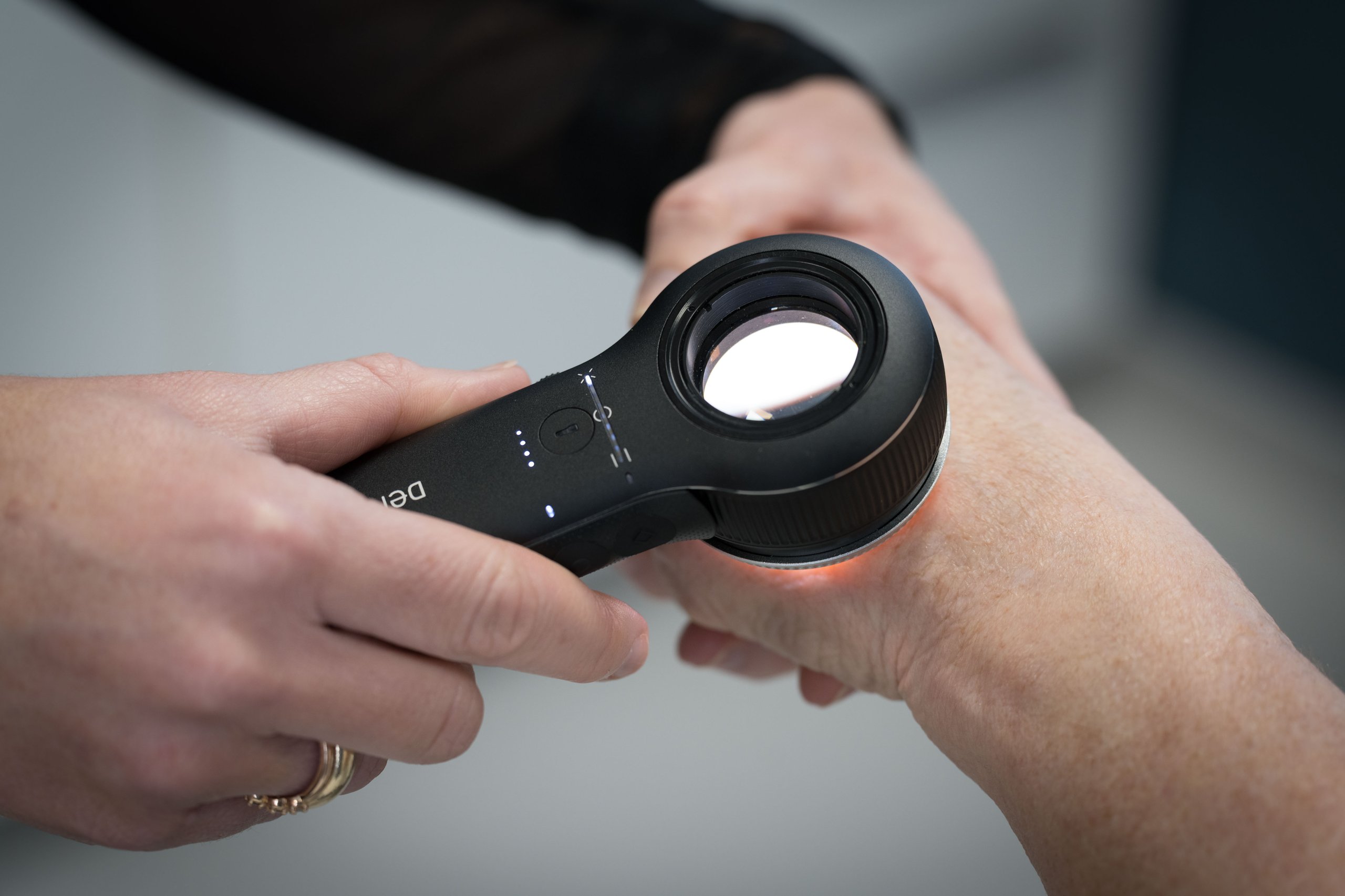
We take the time to perform thorough skin checks using advanced imaging technology, including total body photography, to help detect even subtle changes over time.
If further investigation or treatment is needed, we coordinate the next steps including biopsy, surgery, imaging, and specialist input so your care is clear, timely, and well supported.
Our Team
Skin Cancer Collective brings together clinicians with expertise in skin cancer detection, treatment, surgery, and reconstruction. Our team works closely together to provide careful diagnosis, coordinated care, and support from your first appointment through to treatment and follow-up.
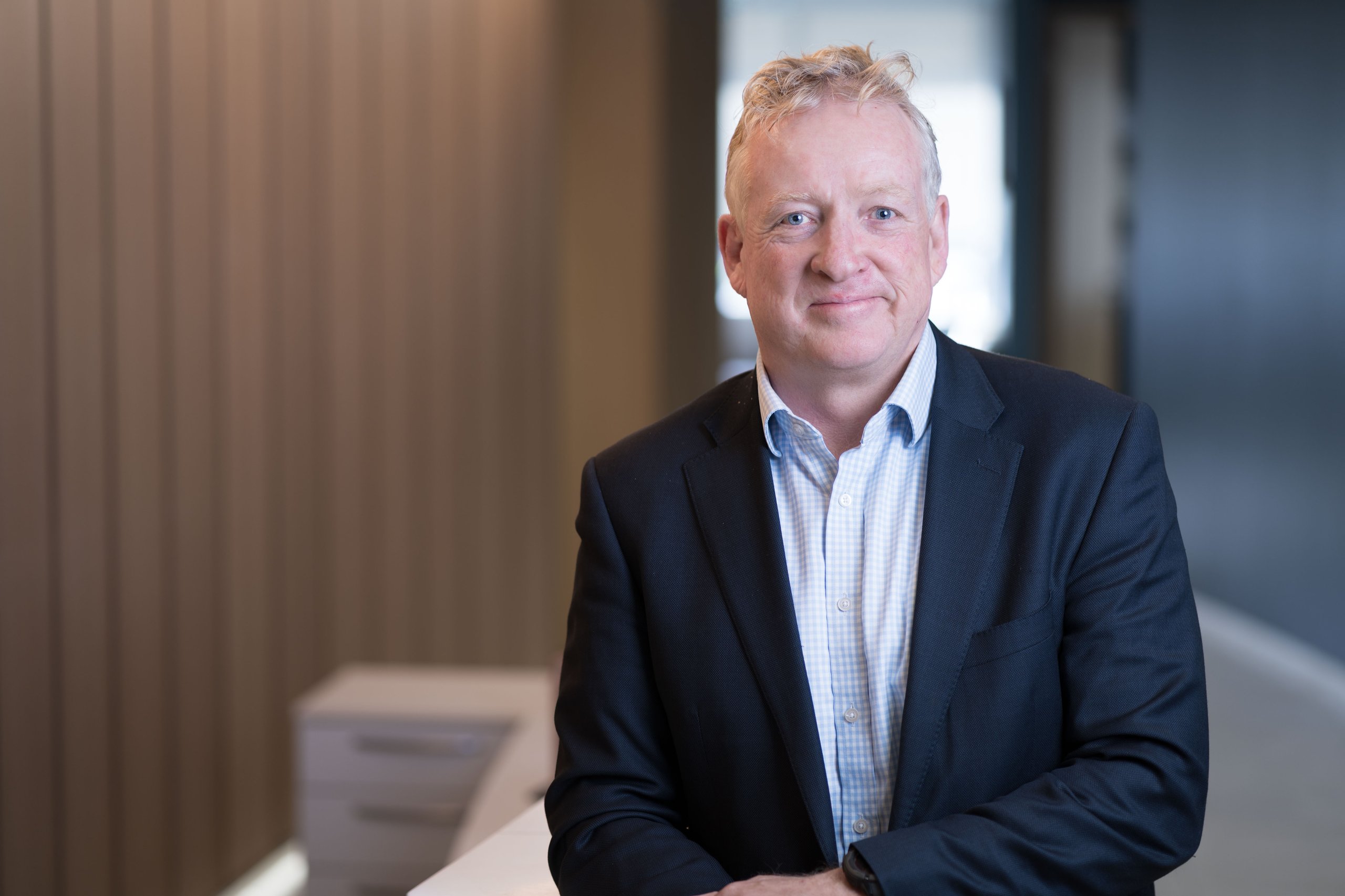
Terry is a Specialist Plastic, Reconstructive, and Hand Surgeon based in Christchurch who maintains a dual UK and New Zealand specialist registration. After completing his local training, he undertook advanced fellowships in London and served as a consultant at Glasgow's Canniesburn Plastic Surgery Unit.
He practices publicly across Christchurch, Burwood, and Greymouth Hospitals, and privately at St George's, while serving as a Senior Clinical Lecturer at the University of Otago and past Chair of the New Zealand Board of Plastic and Reconstructive Surgery. Specialising in skin cancer excision and reconstruction, hand surgery, and trauma, he collaborates closely with regional GPs and multidisciplinary teams. He is a member of NZAPS, RACS, and ASPS, and is a Southern Cross Affiliated Provider.
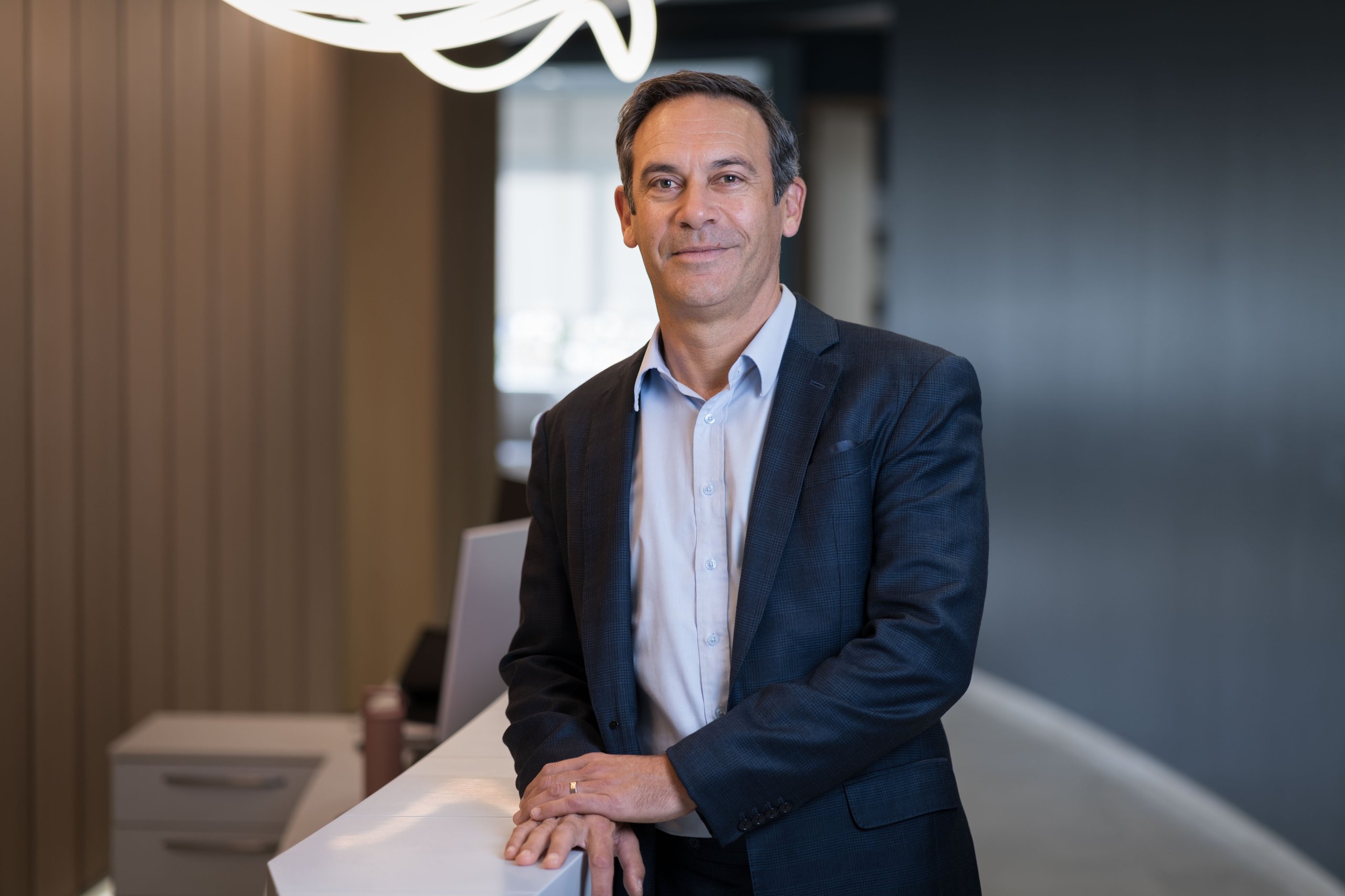
Chris is a Specialist Plastic and Reconstructive Surgeon focused on skin cancer surgery and reconstruction. A 1994 Otago University graduate, he completed his RACS training winning the Gordon Gordon-Taylor Gold Medal, and earned his FRACS in 2004 before pursuing subspecialty fellowships in Oxford and Los Angeles. Returning to Christchurch in 2006, he practices across public and private hospitals, specialising in complex melanoma and non-melanoma excisions, individualised reconstructions, and multidisciplinary care. He holds operating privileges at St George's and Forte Hospitals and is affiliated with the New Zealand Association of Plastic Surgeons and the American Society of Plastic Surgeons.
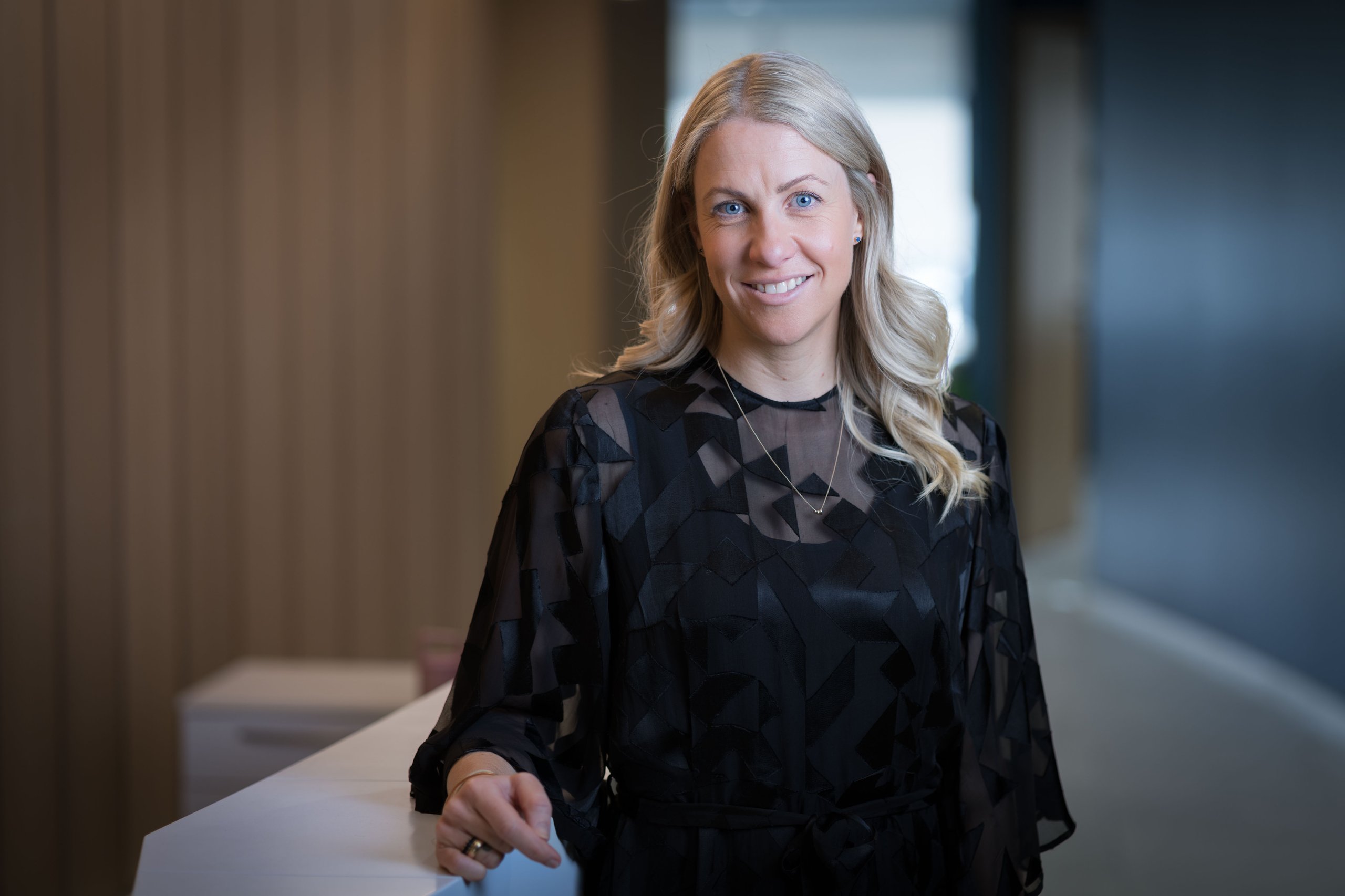
Abbie is a Registered Nurse with over 15 years’ experience, including the past decade dedicated to skin cancer care. Her work focuses on early detection, dermoscopic assessment, skin surveillance, and supporting patients through diagnosis, treatment, and follow-up.
She has worked as a Cancer Nurse Coordinator at Christchurch Hospital specialising in melanoma and skin cancer, and as a Nurse Dermoscopist providing skin assessments across Aotearoa New Zealand. Abbie holds a Diploma of Dermoscopy and is committed to careful, evidence-based care.
Abbie is the nurse representative on the Skin Cancer New Zealand Executive Committee, Chair of the Skin Cancer Nurses Special Interest Group, and a member of the working group for the Aotearoa New Zealand Melanoma Clinical Guidelines.
Her approach is centred on clear communication and ensuring patients feel informed, supported, and comfortable throughout their care.

Ellie supports the day-to-day coordination of the practice, helping ensure patients receive organised, efficient, and welcoming care from first contact through to follow-up.
She manages bookings, patient communication, and administrative support for the clinical team, helping the practice run smoothly and efficiently.
Known for her warm approach and attention to detail, Ellie is committed to making patients feel informed, supported, and at ease throughout their experience with the clinic.
Surgical Nurses
Our experienced surgical nurses assist with procedures and provide care before, during, and after surgery. Working closely with the surgeons, they help ensure a safe, efficient environment and support patients throughout treatment and recovery.
They also provide clear guidance for wound care and recovery, with a focus on patient comfort, safety, and reassurance at every stage.
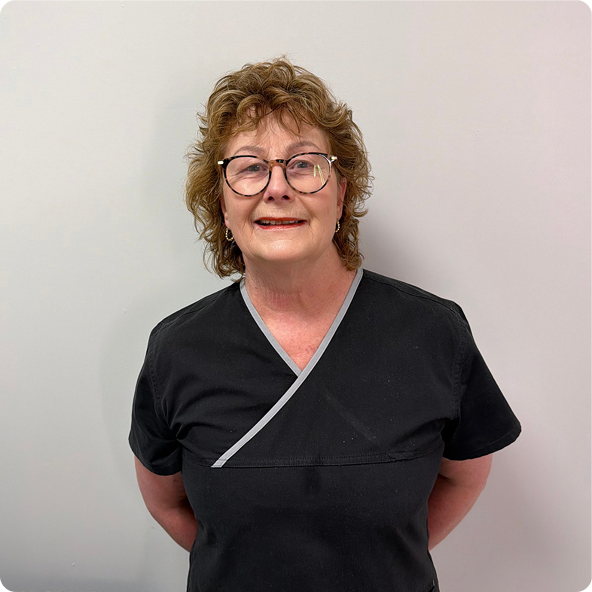
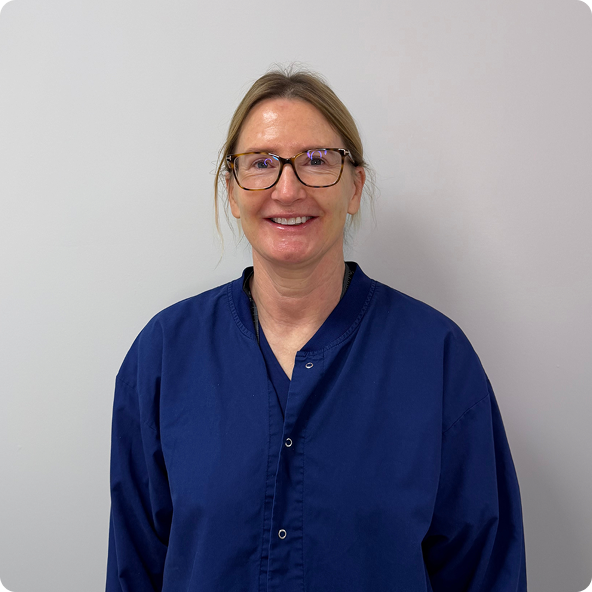
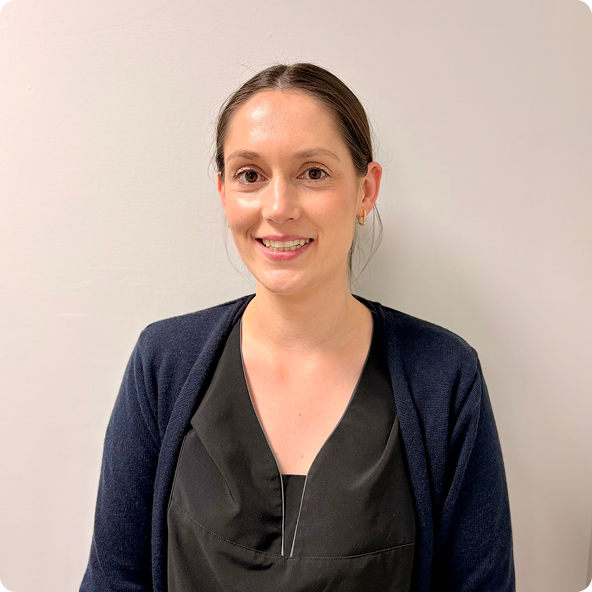
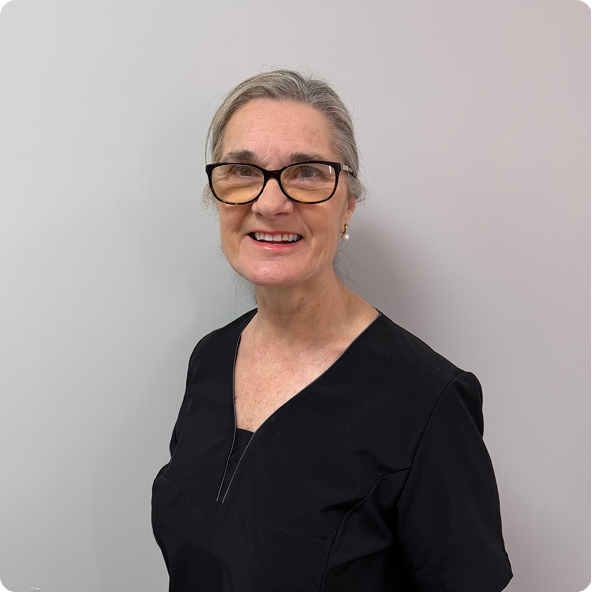
Our surgical nursing team includes Kate, Katie, Lloma and Jane.
Understanding Skin Cancer
Skin cancer is the most common cancer in Aotearoa New Zealand. Most cases develop from long-term sun exposure and cumulative UV damage.
The two main groups of skin cancer are melanoma and non-melanoma skin cancers, which include basal cell carcinoma (BCC) and squamous cell carcinoma (SCC).

Importance of Early Detection
Early detection is one of the most important factors in successful skin cancer treatment. Regular skin checks and prompt assessment of suspicious spots can lead to earlier treatment and better outcomes.
Regular skin checks are recommended for people who:
• Have had previous skin cancer
• Have many or unusual moles
• Have fair skin or a history of significant sun exposure
• Have a family history of melanoma
• Notice a new or changing spot
• Are immunosuppressed
Even without specific risk factors, a baseline skin check can be helpful for monitoring changes over time.
Prevention
Aotearoa New Zealand has one of the highest rates of skin cancer in the world and it's not just because we love being outdoors.
Compared to similar latitudes in the Northern Hemisphere, New Zealand receives significantly higher levels of UV radiation. This is partly due to lower ozone levels in the Southern Hemisphere, cleaner air with less pollution to filter UV rays, and the fact that the Earth is closer to the sun during our summer months. Combined with an outdoor lifestyle and a largely fair-skinned population, these factors contribute to a much higher risk of sun damage and skin cancer in New Zealand.
The good news is that protecting your skin from UV radiation can significantly reduce your risk and it doesn't have to be complicated.
Simple ways to protect your skin include:
• Wearing sun-protective clothing
• Applying broad-spectrum SPF 50+ sunscreen generously and reapplying regularly
• Wearing a broad-brimmed hat
• Using UV-protective sunglasses
• Seeking shade during peak UV hours
• Checking the daily UV forecast using the UVNZ app
Ongoing Vigilance
Prevention and early detection go hand in hand.
Arrange a skin check if you notice:
• A new or changing spot
• A mole that looks different from others
• A spot that bleeds, crusts, or does not heal
If you are unsure about a spot, it is always worth having it checked.
Melanoma
Melanoma is less common than other skin cancers but is more serious because it can spread to other parts of the body if left untreated. It can develop as a new spot or within an existing mole and may appear anywhere on the skin, including areas with less sun exposure.
Warning signs may include:
• A new or changing spot
• An unusual or irregular mole
• A spot that looks different from others (“ugly duckling” sign)
• Changes in colour, shape, or size
Some melanomas are not dark in colour and may appear pink, red, or skin-coloured.
When detected early, melanoma is often highly treatable with surgery.
Depending on the type and stage, further treatment or specialist care may sometimes be recommended.
Squamous Cell Carcinoma (SCC)
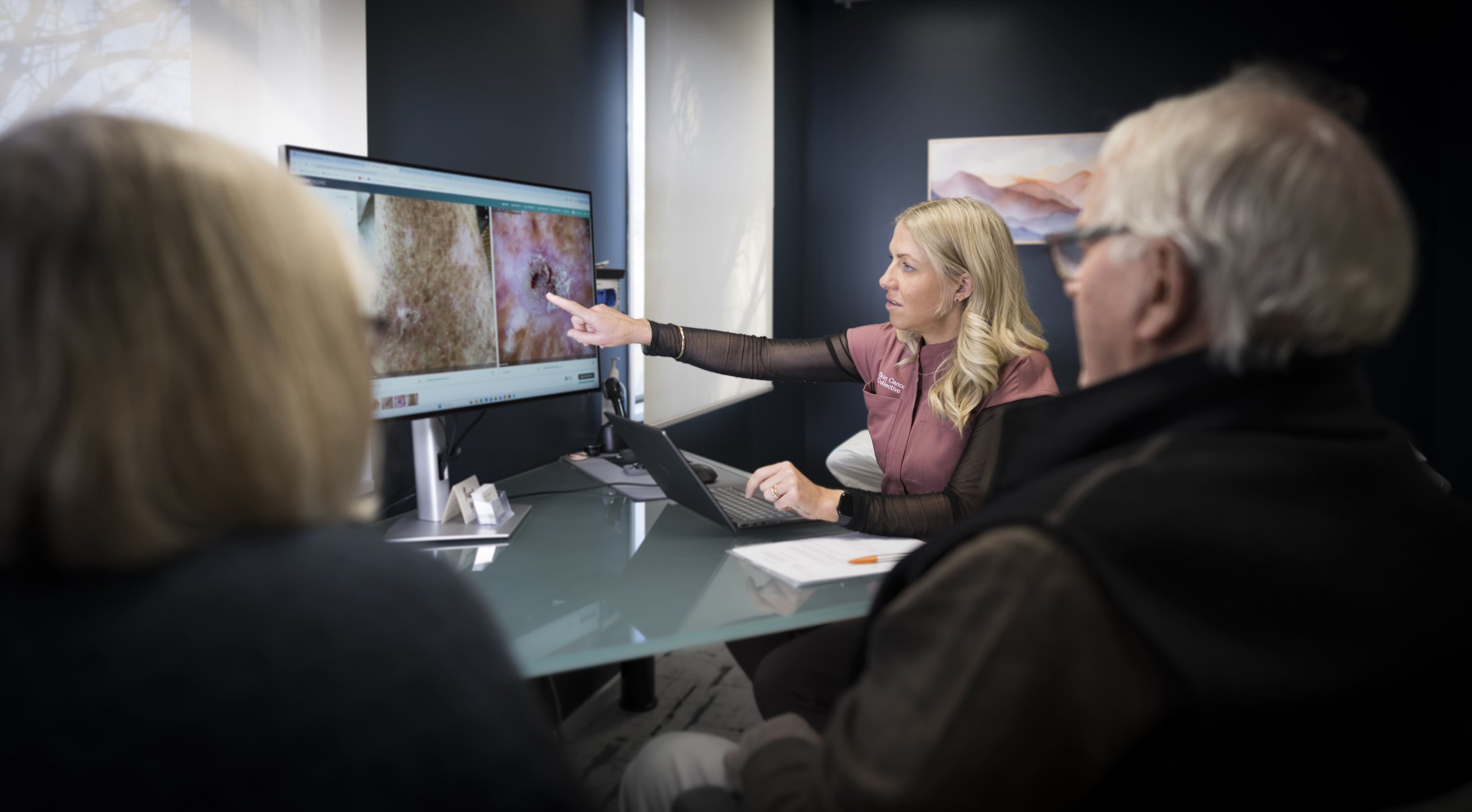
Squamous cell carcinoma (SCC) is a common skin cancer linked to long-term sun exposure. It can sometimes develop from sun-damaged skin or precancerous spots known as actinic keratoses.
SCC may appear as:
• A thickened or scaly patch
• A firm or crusted lump
• A sore that does not heal
• A tender or painful spot
SCC has a small risk of spreading, particularly if left untreated. Early diagnosis and treatment are important and are usually highly effective.
Basal Cell Carcinoma (BCC)
Basal cell carcinoma (BCC) is the most common type of skin cancer. It usually grows slowly and is highly treatable, particularly when detected early.
BCC may appear as:
• A pearly, pink, or shiny raised spot
• A sore that does not heal
• A spot that bleeds or crusts easily
• A red, scaly patch
Although BCC rarely spreads to other parts of the body, it can grow deeper into surrounding tissue if left untreated.
Treatment most commonly involves surgical removal, although some superficial lesions may be treated with prescription creams or cryotherapy.
Rare Skin Cancers
Some skin cancers are less common and may behave differently from more common skin cancers, requiring more specialised assessment and treatment. These include Merkel cell carcinoma, angiosarcoma, dermatofibrosarcoma protuberans (DFSP), sebaceous carcinoma, cutaneous lymphoma, and other rare skin tumours.
Actinic Keratoses (AK)
Actinic keratoses are rough, scaly sun-damaged spots that commonly appear on areas exposed to the sun over many years. While they are not skin cancer, some can develop into squamous cell carcinoma if left untreated.
Depending on the number and type of spots, treatment may include prescription creams, cryotherapy (freezing treatment), or other targeted therapies.
Services
Skin Check
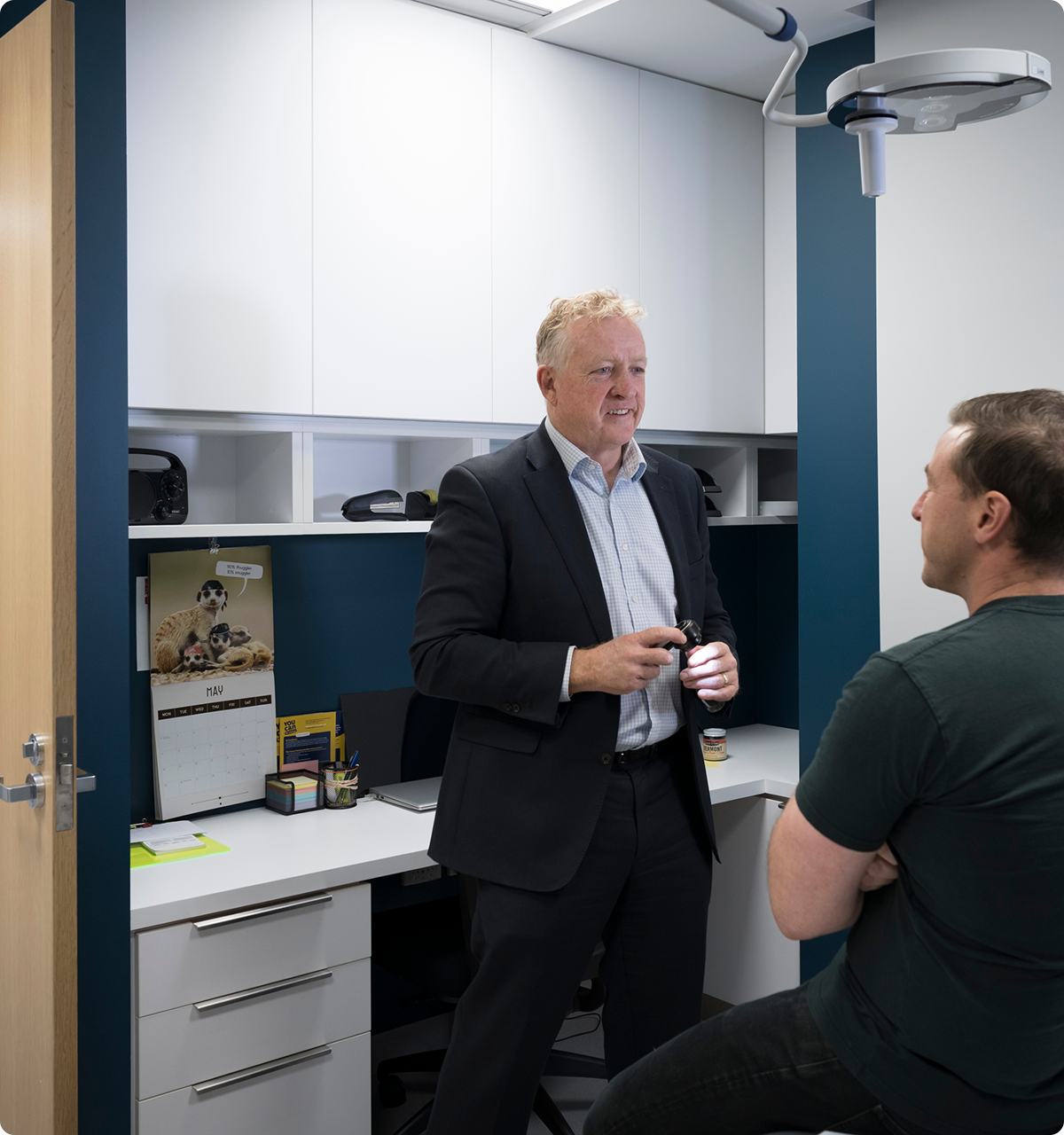
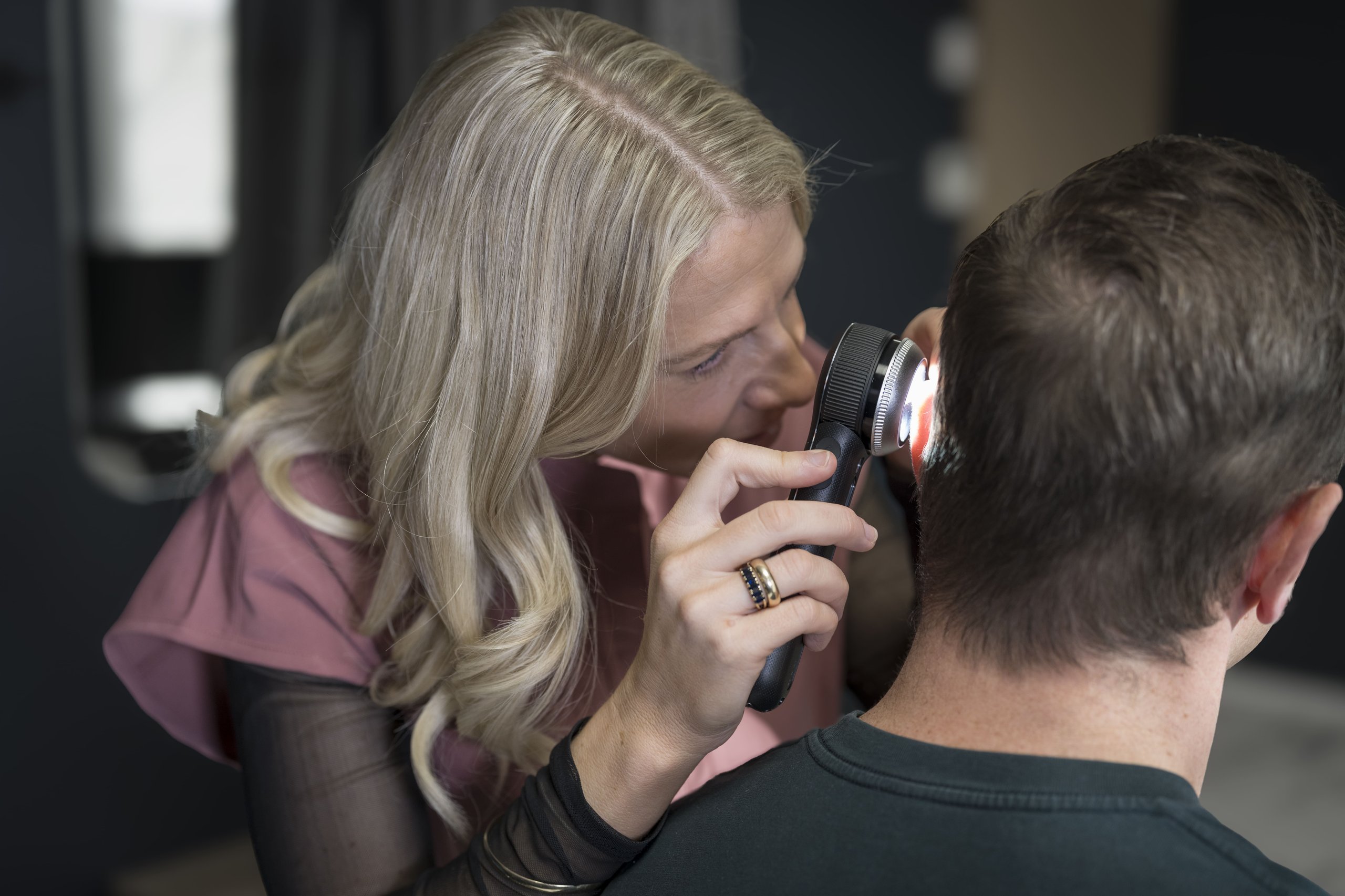
A full-body comprehensive skin check using dermoscopy to closely assess moles and other spots on the skin.
Includes:
• Full-body skin check
• Dermoscopic assessment of moles and other spots
• Assessment of suspicious or changing spots
• Personalised follow-up recommendations
Suitable for:
• Routine skin checks
• New or changing spots
• Baseline skin assessment
Skin check appointments focus on careful examination. If a biopsy is recommended, this is arranged as a separate appointment to allow time for planning and informed consent.
Skin Check + Total-Body Photography
A comprehensive skin check combined with total-body photography to support long-term monitoring of your skin over time.
Includes:
• Everything included in a comprehensive skin check
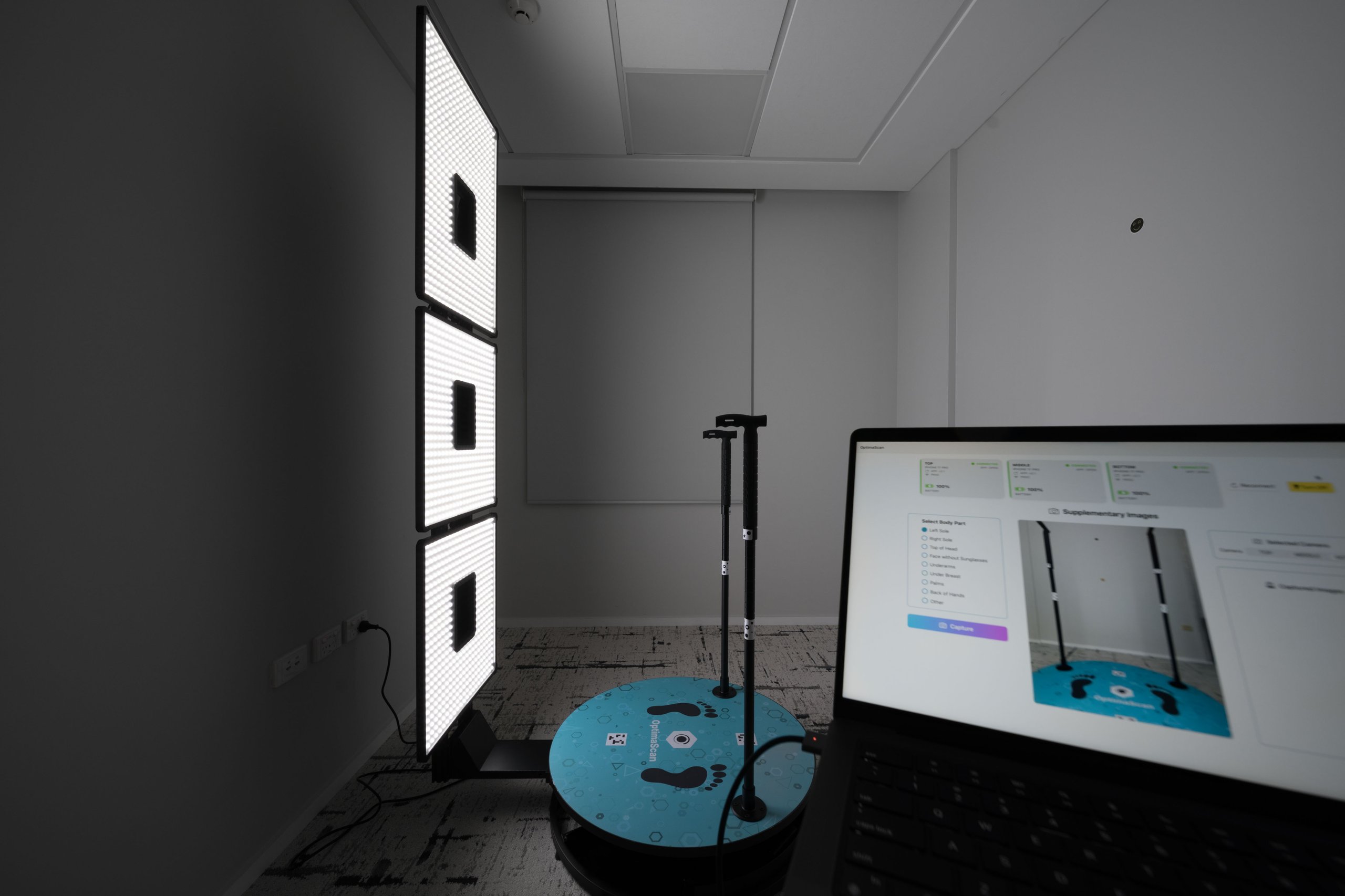
• Total-body photography using OptimaScan
• Baseline imaging of your skin
• Monitoring for subtle changes over time
Recommended for:
• People with many or unusual moles
• Previous melanoma or skin cancer
• Higher-risk individuals
• Ongoing skin surveillance
Photography is performed in a private imaging room using specialised imaging equipment. Patients are given time to change and position themselves, with a trained staff member present to assist with image capture and ensure accurate, standardised photography. Every effort is made to maintain patient comfort, dignity, and privacy throughout the process.
Spot Check
Not sure if a spot needs attention? A spot check is a quick, focused assessment of 1–3 spots of concern using dermoscopy.
If needed, a full skin examination may also be recommended.
All consultations include clear recommendations and follow-up advice.
Biopsy and Surgical Management
If a spot requires further investigation or treatment, we provide:
• Diagnostic biopsy and removal of suspicious or confirmed skin cancers
• Minor procedures performed onsite under local anaesthetic
• Complex skin cancer surgery and reconstruction when required
• Histology review and treatment planning
• Wound care and follow-up
Procedures are usually arranged as a separate appointment to allow time for planning, preparation, and informed consent.
Our aim is to provide timely, coordinated care with clear communication throughout treatment.
What to Expect at a Skin Check?
When you book your appointment, we will send you a detailed information pack so you know exactly what to expect before your visit.
1. Initial Consultation
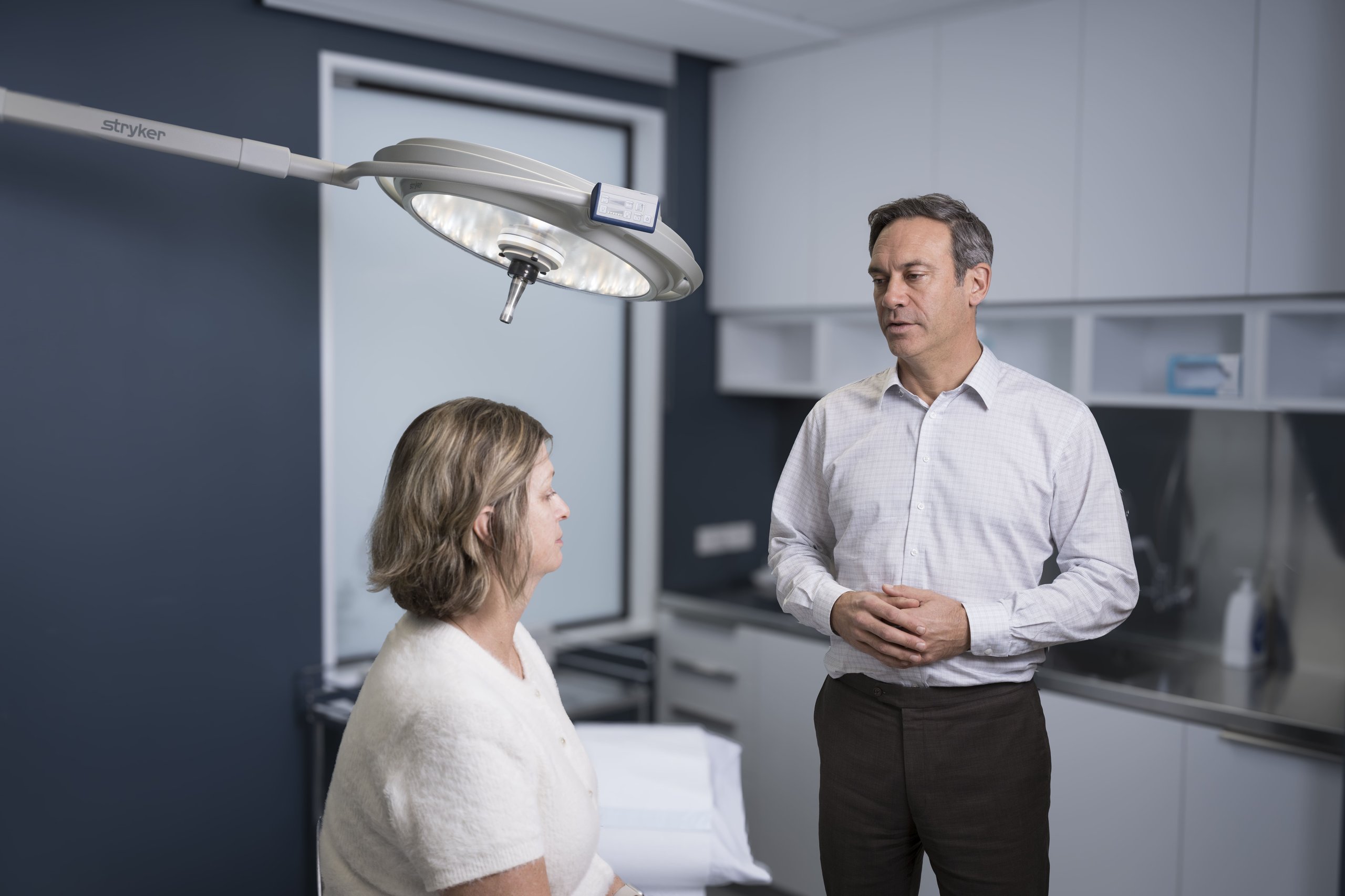
Your appointment will begin with a discussion about your skin concerns, medical history, and any spots you would like assessed.
2. Skin Examination and Imaging
A thorough skin check is performed using dermoscopy to closely examine moles and other spots on the skin.
If your appointment includes total-body photography, baseline images of your skin will also be taken to support long-term monitoring and detection of subtle changes over time.
3. Recommendations and Next Steps
If any spots require further investigation or treatment, we will explain the findings clearly and discuss the most appropriate next steps.
4. Ongoing Monitoring and Follow-Up
Some patients require only a single appointment, while others may benefit from ongoing skin checks or photographic monitoring based on their individual risk and skin history.
Whether you are due for a routine skin check or concerned about a specific spot, our team can help guide you to the most appropriate appointment.
For Clinicians and Referrers
Multidisciplinary Melanoma and Skin Cancer Review
Skin Cancer Collective collaborates with St George’s Cancer Care Centre to provide a fortnightly multidisciplinary meeting to review complex melanoma and skin cancer cases. This dedicated private-sector forum brings together expertise in:
• Plastic Surgery
• Medical Oncology
• Radiation Oncology
• Pathology
• Radiology
• Specialist Skin Cancer Nursing
• Allied Health
How to Refer
Referrals from GPs, dermatologists, surgeons and other clinicians are welcome. The meeting is held fortnightly on Mondays at 8:00 am. Please contact the clinic to find out when the next meeting will be held.
To refer a patient:
Download and complete the referral form.
Submit the completed referral via ERMS (EDI: wakamole) by 12:00 pm on the Wednesday of the week before the scheduled meeting.
All recommendations from the meeting are communicated to the referring clinician within two working days of the meeting.
Complex Melanoma Referral Pathway
Patients referred with confirmed melanoma or lesions highly suspicious for melanoma are reviewed through a structured assessment and treatment planning pathway.
Consultation may include:
• Histology review
• Comprehensive dermoscopic examination
• Total-body photography
• Nodal basin assessment
• Surgical planning
• Coordination of staging investigations
Where appropriate, care may also involve:
• Sentinel lymph node biopsy
• Diagnostic imaging
• Multidisciplinary team (MDT) review
• Oncology and reconstructive input
This pathway supports timely specialist assessment and coordinated melanoma management from diagnosis onward.
Referrals
Referrals and clinical enquiries are welcome.
Please contact the clinic directly to discuss referrals, multidisciplinary review, or complex melanoma management pathways.

FAQs
Answers to what matters most about skin cancer and your care.
The most appropriate appointment depends on your skin, risk factors, and any specific concerns.
Comprehensive skin check — suitable for most people
Comprehensive skin check with total-body photography — recommended for higher-risk patients or those with many moles
Spot check — for 1–3 specific spots of concern
If you are unsure which appointment is best, our team can help guide you.
If a suspicious spot is identified, further assessment or treatment such as biopsy or removal may be recommended. This is arranged as a separate appointment to allow time for planning, discussion, and informed consent.
Appointment times vary depending on the type of consultation. Skin checks are designed to be thorough and unhurried, and our team will advise the expected appointment length when booking.
A wide local excision is a procedure used to remove a confirmed skin cancer along with a small margin of surrounding healthy skin. This helps reduce the risk of the cancer returning and aims to ensure it has been completely removed.
The amount of surrounding skin removed depends on the type and thickness of the skin cancer.
A sentinel lymph node biopsy is a procedure used in selected cases to check whether cancer cells may have spread to nearby lymph nodes.
It is most commonly performed for melanoma and may sometimes be recommended for higher-risk skin cancers.
The procedure involves identifying and removing the first nearby lymph node (the “sentinel node”) for testing.
Not all patients require this procedure. Recommendations are based on the type of skin cancer and individual risk factors.
Surveillance refers to ongoing monitoring for people with a history of skin cancer or those at higher risk.
This may include:
Regular skin checks
Monitoring of specific spots using dermoscopy
Total-body photography to track changes over time
The type and frequency of follow-up are tailored to your individual risk and history.
A multidisciplinary team is a group of specialists who work together to review and plan care for more complex cases.
This may include specialists in surgery, oncology, radiology, and pathology, helping ensure treatment decisions are well coordinated and supported by the appropriate expertise.
You do not need a referral to book an appointment. Patients can self-refer by contacting our clinic directly.
Many health insurance policies provide cover for the assessment and treatment of suspicious spots or skin cancers, including biopsy and surgical removal. Cover for routine full-body skin checks varies between insurers and policies.
We recommend checking your cover directly with your insurer before your appointment. A detailed receipt can be provided to support your claim.
This depends on your individual risk factors and skin history.
Some people only require occasional checks, while others benefit from regular ongoing monitoring. We will recommend a personalised follow-up plan based on your assessment.
Unsure Which Appointment Is Right for You?
Our team can help guide you to the most appropriate appointment.

Send a message
Fill out the form below and we'll respond to you as soon as possible.